Timber Care Tips
Timber is a durable and versatile building material, but like all natural materials it benefits from regular care and attention. Simple checks and good maintenance can help identify moisture, decay or insect activity at an early stage and reduce the risk of more extensive timber damage.
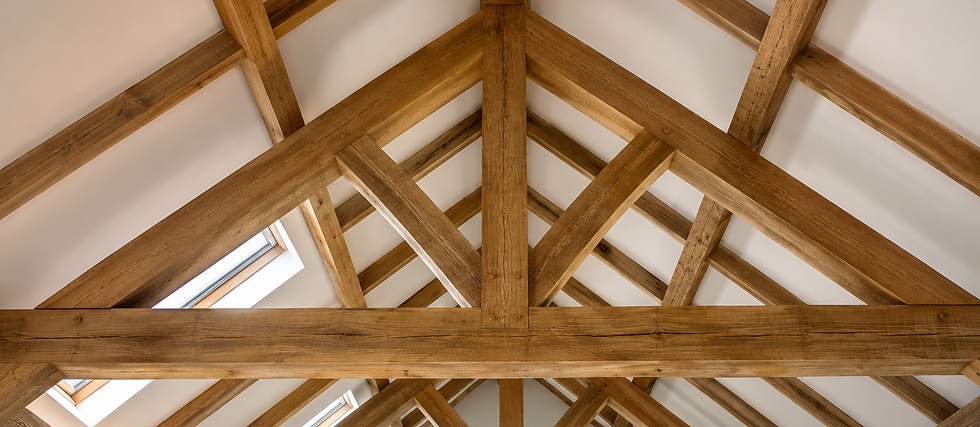
Practical Timber Care Tips
-
Keep timber dry: Wherever possible, prevent prolonged exposure to moisture and investigate any signs of damp or water ingress promptly.
-
Maintain the roof and rainwater goods: Keep roof coverings, gutters, valleys, downpipes and flashings in good condition to prevent water reaching structural timbers.
-
Maintain good ventilation: Ensure roof spaces, sub-floor areas and other enclosed spaces containing timber have adequate ventilation to help prevent moisture accumulation.
-
Check for leaks: Plumbing leaks, defective bathrooms and overflowing tanks can introduce significant moisture into timber. Any leaks should be repaired as soon as they are identified.
-
Avoid unnecessary sealing: Traditional buildings need to breathe and manage moisture. Avoid using impermeable coatings or materials where they may prevent timber or surrounding building materials from drying naturally.
-
Inspect regularly: Periodically check accessible joists, floorboards, roof timbers, skirting boards and other timber elements for signs of dampness, fungal decay, insect holes or frass.
-
Deal with problems early: Small areas of decay or insect activity are generally easier and less costly to address than problems that have been allowed to develop over a long period.
-
Remember that prevention has limits: Even with careful maintenance, timber can still be affected by unexpected water ingress, changes in environmental conditions or insect activity. Regular inspection remains an important part of long-term timber care.
Where an active wood-boring insect infestation has already been identified, preventative timber treatment should normally be considered after the infestation has been appropriately treated. Preventative measures are most effective when combined with good building maintenance and control of the conditions that allow timber pests and fungal decay to thrive.